.png)
Diamond Lapidary Blades: Your Complete Guide
- Ukam Industrial
- Nov 26, 2025
- 5 min read

When it comes to precision cutting and shaping of gemstones, rocks, and minerals, having the right tools makes all the difference. Professional lapidaries and hobbyists alike rely on diamond lapidary blades to achieve clean cuts, smooth surfaces, and professional results. These specialised cutting tools have revolutionised the gemstone industry by offering unmatched durability and cutting performance across various materials.
Understanding Diamond Lapidary Blades
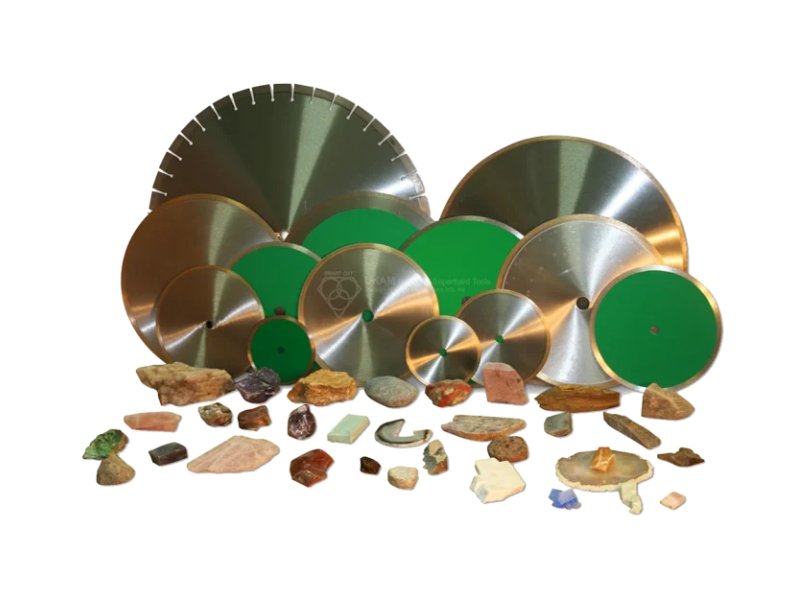
Diamond lapidary blades represent the pinnacle of cutting technology in the gemstone and mineral processing world. These blades feature industrial-grade diamonds embedded in a metal matrix, creating an abrasive surface capable of slicing through even the hardest materials with remarkable precision.
The construction of these blades involves bonding diamond particles to a steel core using various methods, including sintering, electroplating, or resin bonding. Each manufacturing process creates blades with distinct characteristics suited for specific applications and materials.
Types of Diamond Lapidary Blades
Different cutting tasks require different blade configurations. Sintered blades offer exceptional longevity and are ideal for continuous professional use. These blades withstand high temperatures and provide consistent cutting performance throughout their lifespan.
Electroplated blades feature a single layer of diamonds bonded to the blade surface, offering fast cutting action and clean results. They work exceptionally well for detailed work and cutting softer materials where precision matters more than extended blade life.
Resin-bonded blades provide the smoothest cuts and are particularly valued when working with delicate materials or when minimal chipping is essential. These blades operate at lower temperatures, reducing the risk of heat damage to sensitive gemstones.
Choosing the Right Blade for Your Projects
Selecting appropriate diamond lapidary blades depends on several critical factors. Material hardness stands as the primary consideration, as different gemstones and rocks require varying levels of diamond concentration and bond strengths.
Blade diameter affects both cutting depth and speed. Smaller blades excel at intricate work and tight curves, while larger diameters handle substantial slabs and production cutting. The thickness of the blade determines kerf width, influencing material waste and cut precision.
Material Compatibility
Soft materials like amber, jet, and coral require blades with finer diamond grits and softer bonds to prevent excessive wear. Medium-hardness materials, including opal, turquoise, and jade, perform best with medium-bond blades that balance cutting speed with longevity.
Hard materials such as sapphire, ruby, and diamond itself demand blades with harder bonds and coarser diamond grits. These combinations ensure the blade maintains its cutting edge through extended use on challenging materials.
Operating Diamond Lapidary Blades Safely
Safety remains paramount when working with diamond lapidary blades. Proper equipment setup, including secure blade mounting and appropriate guards, protects operators from potential hazards. Always verify that blades are rated for your saw's operating speed before installation.
Water cooling serves multiple purposes beyond safety. It prevents overheating, washes away cutting debris, and minimises dust production. Maintaining adequate water flow throughout cutting operations extends blade life significantly while producing cleaner cuts.
Maintenance and Care
Regular blade inspection identifies wear patterns, cracks, or damage that could compromise performance or safety. Cleaning blades after each use removes accumulated material that can reduce cutting efficiency and potentially cause binding.
Dressing blades periodically restores cutting performance by exposing fresh diamond particles. This process involves cutting through abrasive materials that wear away the metal bond, revealing new cutting surfaces.
Advanced Applications
Beyond basic gemstone cutting, diamond lapidary blades serve numerous specialised applications. Museum specimen preparation, geological sampling, and archaeological artefact processing all benefit from the precision these blades provide.
For projects requiring holes or cylindrical samples, lapidary core drills complement blade cutting operations. These specialised tools create precise circular cuts, ideal for creating cabochon blanks, extracting material samples, or producing inlay components.
Production Cutting Considerations
Professional operations processing large volumes of material require blades engineered for continuous operation. Industrial-grade blades with enhanced cooling designs and reinforced cores maintain performance under demanding conditions.
Blade selection for production work balances initial cost against the total cost of ownership. Premium blades with longer lifespans often prove more economical than budget options requiring frequent replacement.
Optimising Cutting Performance
Achieving optimal results requires understanding the relationship between cutting speed, feed rate, and material characteristics. Cutting too quickly generates excessive heat and can damage both the blade and workpiece, while cutting too slowly wastes time and can glaze the blade surface.
Feed rate adjustment based on material hardness ensures consistent cutting action. Harder materials require slower, steadier feeding, while softer materials accommodate faster feed rates without compromising cut quality.
Troubleshooting Common Issues
Excessive vibration indicates potential blade imbalance, improper mounting, or incorrect operating speed. Addressing these issues promptly prevents damage to equipment and ensures operator safety.
Blade glazing occurs when the metal bond becomes too smooth, preventing diamond exposure. Dressing the blade or cutting through harder material typically resolves this condition.
Environmental and Economic Considerations
Modern diamond lapidary blades incorporate sustainable manufacturing practices and materials. Recyclable steel cores and efficient diamond utilisation reduce environmental impact while maintaining performance standards.
Investment in quality blades reduces long-term costs through extended service life and consistent performance. Premium blades often cut more material per dollar spent compared to economy alternatives.
Future Developments in Blade Technology
Ongoing research continues to advance blade performance through improved diamond synthesis, bond materials, and manufacturing techniques. Nano-diamond coatings promise enhanced cutting efficiency and longer blade life.
Computer-aided design allows manufacturers to optimise blade geometry for specific applications, creating specialised tools for niche markets and unique materials.
Frequently Asked Questions
What diamond grit size is best for lapidary work?
Most general lapidary cutting uses 80 to 220 grit, with coarser grits for fast cutting and finer grits for detailed work.
How long do diamond lapidary blades last?
Blade life varies widely based on material, usage frequency, and maintenance, ranging from several hours to hundreds of hours.
Can I use lapidary blades dry?
Most diamond lapidary blades require water cooling, though some specialised blades are designed for dry cutting specific materials.
What causes blades to wear unevenly?
Uneven wear typically results from inconsistent feed pressure, blade wobble, or cutting materials with varying hardness.
Should I use the same blade for all materials?
Different materials perform best with specific blade types, though versatile blades can handle multiple material types adequately.
How do I know when to replace my blade?
Replace blades when cutting performance significantly decreases, visible damage appears, or the diamond layer is completely worn away.
What speed should I run my lapidary saw?
Follow manufacturer recommendations, typically ranging from 3,000 to 5,000 surface feet per minute, depending on blade size and material.
Conclusion
Diamond lapidary blades represent essential tools for anyone serious about gemstone cutting, rock slabbing, or mineral preparation. Understanding blade types, proper selection criteria, and maintenance requirements ensures optimal performance and safety. Whether you're a professional lapidary or an enthusiastic hobbyist, investing in quality blades and using them correctly will elevate your work to professional standards while providing years of reliable service.


Comments